Narrative Impact: Weapons as Storytelling Devices
Weapons serve as more than just tools for combat; they are powerful narrative devices that can enrich character development, world-building, and plot progression. From legendary swords passed down through generations to futuristic firearms imbued with mysterious powers, the design and significance of weapons play a crucial role in shaping the stories we experience in games. This article delves into the narrative impact of weapons in gaming, exploring how they contribute to immersive storytelling and emotional engagement for players.
Weapons as Symbols of Character Identity
In many video games, the choice of weapon wielded by a character serves as a symbolic representation of their identity, values, and journey throughout the game. Whether it’s the iconic Master Sword in “The Legend of Zelda” series or the versatile Omni-Tool in “Mass Effect,” weapons often reflect the personality, background, and motivations of the characters who wield them. By carefully selecting and contextualizing weapons within the narrative, game developers can deepen the connection between players and characters, fostering empathy and investment in their stories.
Weapons as Artifacts of Lore and Legend
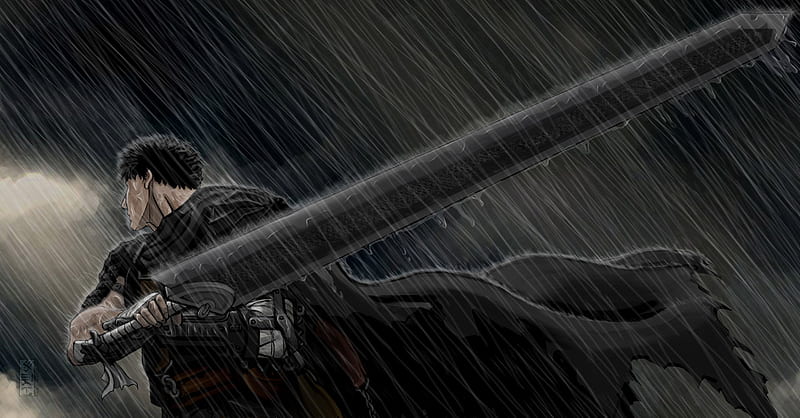
Throughout gaming history, weapons have been imbued with mythic significance, often tied to legendary figures, ancient prophecies, and epic quests. From Excalibur in the Arthurian legends to the Blades of Chaos in the “God of War” series, these legendary weapons serve as focal points of lore and legend, driving the narrative forward and enriching the game world with a sense of history and mystery. By incorporating mythic weapons into their narratives, developers can evoke a sense of wonder and awe, immersing players in fantastical worlds filled with adventure and discovery.
Weapons as Catalysts for Conflict and Resolution
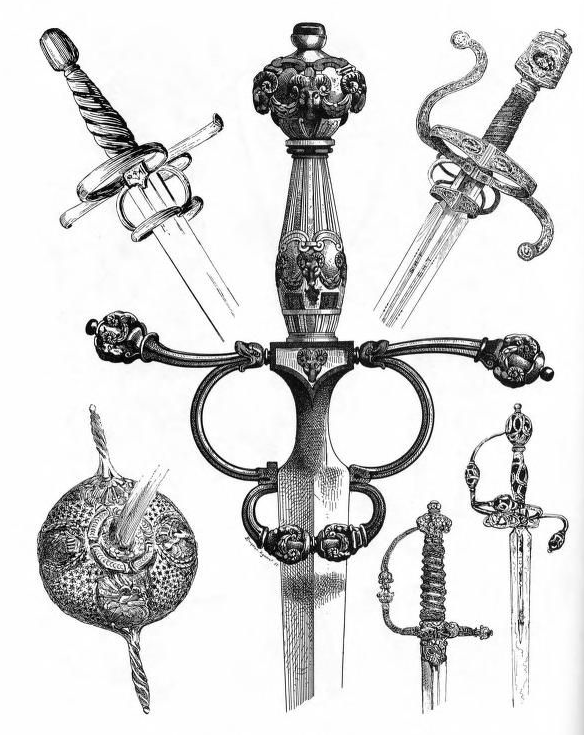
In many video game narratives, weapons play a central role in driving conflict and resolution, serving as catalysts for dramatic confrontations and pivotal moments of decision-making. Whether it’s a duel between rival swordsmen, a standoff between warring factions, or a final showdown against a powerful boss, weapons often serve as the focal point of climactic battles that determine the fate of characters and worlds. By integrating weapons into the narrative structure, developers can create memorable and impactful moments that resonate with players long after the game is over.
Weapons as Tools of Transformation and Growth
In addition to their role in combat, weapons can also serve as tools of transformation and growth for characters, empowering them to overcome challenges, develop new skills, and embark on personal journeys of self-discovery. From upgrading weapons with new abilities to forging alliances with legendary craftsmen, the acquisition and mastery of weapons often parallel the character’s own growth and development throughout the game. By intertwining weapon progression with narrative progression, developers can create a sense of agency and accomplishment for players as they navigate the challenges of the game world.
Weapons as Moral and Ethical Dilemmas
Finally, weapons in video game narratives can also raise complex moral and ethical dilemmas for players, challenging them to confront difficult choices and consequences. Whether it’s deciding whether to wield a powerful artifact with unknown consequences or choosing between using lethal force or finding a peaceful resolution to conflicts, weapons can force players to grapple with their own values and beliefs within the context of the game world. By incorporating moral ambiguity and ethical dilemmas into the narrative, developers can create thought-provoking experiences that encourage players to consider the consequences of their actions and the impact they have on the game world and its inhabitants.
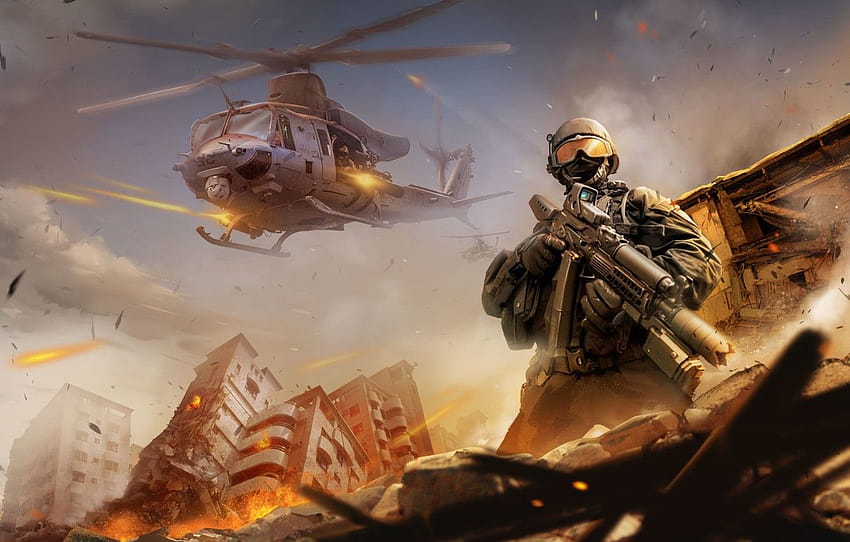
Conclusion: Weaponry as Narrative Catalysts
Weapons serve as powerful narrative devices in video games, enriching storytelling, character development, and player engagement in myriad ways. Whether as symbols of character identity, artifacts of lore and legend, catalysts for conflict and resolution, tools of transformation and growth, or moral and ethical dilemmas, weapons play a multifaceted role in shaping the stories we experience in games. As developers continue to push the boundaries of interactive storytelling, the narrative impact of weapons will remain a central and enduring aspect of the gaming experience, inviting players to embark on epic adventures filled with drama, mystery, and discovery.
Read about also: Technical Challenges: Implementing Weapons in Game Development.
Related Post

Strategic Depth: Balancing Weapon Variety and Balance in Game Development
Achieving the delicate balance between weapon variety and gameplay balance is crucial for delivering an [...]
Mastering Minecraft: Generator Servers, Settings, and Essential Plugins
Minecraft is a game that thrives on creativity and customization. From generator servers to specific [...]