Narrative Integration of Weapons in Game Development
Weapons serve as more than mere tools for combat; they are integral components of storytelling, character development, and player immersion. The narrative integration of weapons involves seamlessly weaving these virtual armaments into the fabric of the game world, enhancing the overall experience for players while deepening their connection to the story and its characters. In this article, we’ll explore the importance of narrative integration in weapon design and how developers leverage this aspect to create memorable gaming experiences.
Weapons as Storytelling Devices
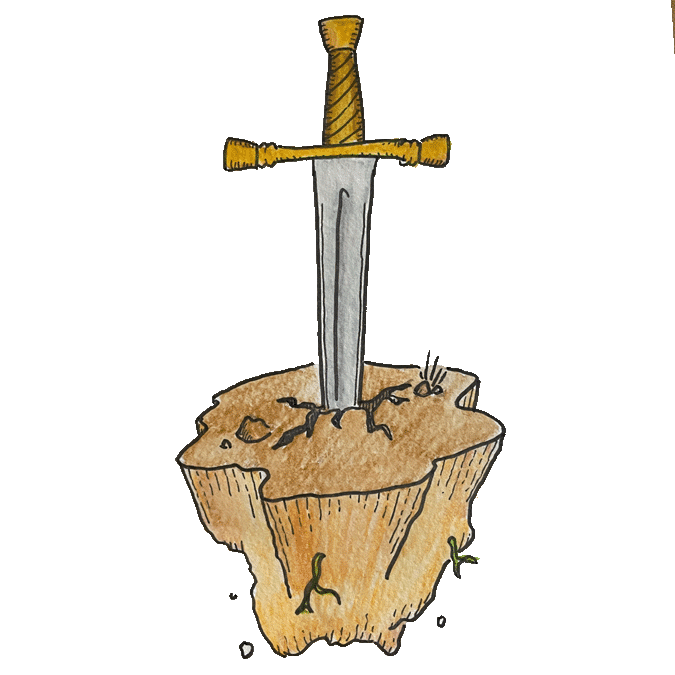
One of the key roles of weapons in game narratives is their ability to convey crucial aspects of the story and its themes. Whether it’s a legendary sword passed down through generations or a futuristic firearm with a storied history, weapons can symbolize power, identity, and the journey of the protagonist. For example, in the “Legend of Zelda” series, the Master Sword is not just a weapon; it’s a symbol of hope and heroism, embodying the player’s quest to save the kingdom of Hyrule.

Character Development and Personalization
In many games, weapons are closely tied to the development and progression of characters. The choice of weapons can reflect a character’s personality, background, and motivations. Through weapon customization and upgrade systems, players have the opportunity to tailor their arsenal to suit their playstyle and narrative preferences. This personalization fosters a sense of ownership and investment in the character’s journey, as players forge their path through the game world armed with weapons that resonate with their identity.
Emotional Impact and Player Engagement
Well-designed weapons can evoke powerful emotions in players, enriching their immersion in the game world and heightening their emotional investment in the narrative. Whether it’s the exhilaration of wielding an iconic weapon for the first time or the tension of a climactic battle against a formidable foe, weapons play a pivotal role in shaping the player’s emotional journey. By integrating weapons seamlessly into the narrative and imbuing them with meaning and significance, developers can elevate the overall storytelling experience and forge deeper connections with players.
World-Building and Lore
In addition to serving as tools for combat, weapons contribute to the rich tapestry of lore and world-building in games. Each weapon can tell a story of its own, hinting at the history, culture, and mythology of the game world. Through item descriptions, environmental storytelling, and character dialogue, developers can weave intricate narratives around weapons, inviting players to explore and uncover the secrets of the game world. This attention to detail fosters a sense of immersion and curiosity, encouraging players to delve deeper into the lore and unravel the mysteries that lie hidden within.

Read about also: Ethical Considerations in Weapon Use: Navigating Complexity in Game Development.
Conclusion
The narrative integration of weapons in game development is a nuanced and multifaceted endeavor, requiring careful consideration of storytelling, character development, and player engagement. By leveraging weapons as storytelling devices, developers can enrich the narrative experience, deepen player immersion, and create memorable gaming experiences that resonate long after the final boss is defeated. As technology advances and storytelling techniques evolve, the potential for narrative integration in weapon design will continue to expand, offering new opportunities for creativity, innovation, and player engagement in the ever-evolving landscape of gaming.
Related Post
Player Engagement: Leveraging Weapon Customization and Progression in Game Development
In the ever-evolving landscape of game development, weapon customization and progression systems have emerged as [...]
Evolution of Weapon Design in Game Development
In the ever-evolving landscape of video game development, one aspect that continually captivates players is [...]